

More hair in the shower. A ponytail that feels smaller. A parting you suddenly find yourself checking. If your hair seems different while taking a GLP-1 medicine, it is understandable to want answers.
Hair shedding has been reported during GLP-1 use. Rapid weight loss and changes in nutritional intake may contribute, but researchers are still investigating the causes, including whether the medicines have a direct effect. It does not happen to everyone.
Understanding the hair cycle can make these changes less confusing. Here is what may be happening, why shedding can appear months later, and how to approach everyday scalp and hair care.
Why can hair shedding happen during GLP-1 use?
Significant weight loss can be a physical stressor. A reduced appetite may also make it harder to get enough protein and other nutrients needed for normal hair growth. Both are relevant when investigating increased shedding.
However, starting a medicine and noticing hair changes afterwards does not establish the cause. Other medicines, illness, thyroid conditions, nutritional deficiencies and existing hair-loss conditions may also be involved.
The useful question is not simply whether GLP-1s cause hair loss. It is what has changed for you, when those changes occurred and what type of hair change you are experiencing. Your prescribing doctor or dermatologist can help put those pieces together.
What is telogen effluvium?
Telogen effluvium is increased shedding that can follow a significant physical or emotional trigger. Rapid weight loss is one recognised trigger.
Hair follicles do not all grow and shed together. Each moves through a cycle that includes growth, transition, rest and shedding. Normally, these cycles overlap, allowing some hairs to shed while others keep growing.
After a trigger, more follicles than usual can move out of the growth phase and into rest. Those hairs shed later, making the change seem sudden even though the process started earlier.
Telogen effluvium usually causes shedding across the scalp. You might notice more hair during washing or brushing, or less fullness overall. Those signs can also occur for other reasons, so they are a reason to seek assessment rather than diagnose yourself.
Why does shedding start months after weight loss?
The delay reflects the hair cycle: telogen effluvium often becomes noticeable around two to four months after its trigger. Hair that has entered the resting stage is not released immediately.
This means a change you notice today may relate to weight loss, illness or another event several months earlier. It can explain why your hair initially seems unchanged, then starts shedding more noticeably later.
When discussing the change with your doctor, bring a rough timeline. Include when you started or changed medicines, significant weight changes, appetite changes and any recent illness. You do not need a perfect record; an approximate sequence can make the conversation more useful.
What changes should you keep track of?
Focus on the overall pattern rather than counting every hair. Note whether the change seems spread across your scalp or concentrated in one area, and whether your scalp feels comfortable or irritated.
You could take occasional photographs of your parting in similar lighting to help explain the change at an appointment. The purpose is to give your clinician context, not to turn your routine into daily monitoring. Bring any concerns even if you cannot see a clear pattern.
Is GLP-1-related hair shedding permanent?
Shedding caused by telogen effluvium is often temporary, but recovery depends on the cause and whether the trigger continues. Not all hair loss during GLP-1 use is necessarily telogen effluvium.
Hair fullness also takes time to recover. A reduction in shedding and a ponytail that feels fuller are different milestones: new hair needs time to grow longer.
Persistent triggers can prolong shedding, and an episode may make underlying pattern hair loss more apparent. Avoid treating a recovery timeline online as a promise about your own hair. An assessment can clarify what to expect and whether treatment is appropriate.
Is it shedding or breakage?
Shedding happens when a hair is released from its follicle. Breakage happens when an existing strand snaps. You can experience both at the same time.
This distinction matters because gentle haircare helps protect existing strands from avoidable damage. Conditioning and less heat can improve their condition, but they do not reverse the internal trigger behind telogen effluvium.
If you are unsure what you are seeing, take that question to a professional. Constantly pulling at your hair or inspecting every strand is unlikely to give you a reliable answer.
How to Care for Your Scalp and Hair During GLP-1 Use
While hair loss should be assessed by your doctor or dermatologist, everyday scalp and haircare still has a place. Keep your routine manageable, with gentle cleansing, scalp hydration and careful handling to minimise unnecessary pulling and breakage.
Keep cleansing gentle
Wash according to your scalp’s needs, using your fingertips rather than scratching with your nails. Avoid aggressive scrubbing or pulling through tangles.
Clean Sweep Shampoo combines cleansing with panthenol (vitamin B5) for moisture and conditioning, alongside niacinamide and Defenscalp™, a rosebay-derived ingredient selected for its soothing and oil-control properties.
Seeing more hairs on wash day can feel alarming. Hairs released between washes can become visible together during washing. Avoiding shampooing does not address the underlying cause of shedding.
Condition and detangle carefully
Conditioner helps reduce friction, making strands easier to manage. Work through knots gently, starting at the ends and moving upwards, using a detangling method suited to your hair texture.
Protector Conditioner contains panthenol, grape seed oil and vitamin E to help condition hair, leaving strands feeling softer, smoother and easier to manage.
Give dry hair and scalp extra moisture
If your scalp feels dry or your lengths feel rough, a moisture-rich mask can complement your regular conditioning routine.
Stay Hydrated Moisture Mask contains hyaluronic acid to attract and retain moisture, shea butter and argan oil for softness, and hydrolysed wheat protein to condition the hair fibre. Its Amisol Trio™ lipid blend helps maintain moisture balance in the scalp and hair. Apply according to the directions and rinse thoroughly.
Add targeted scalp care where needed
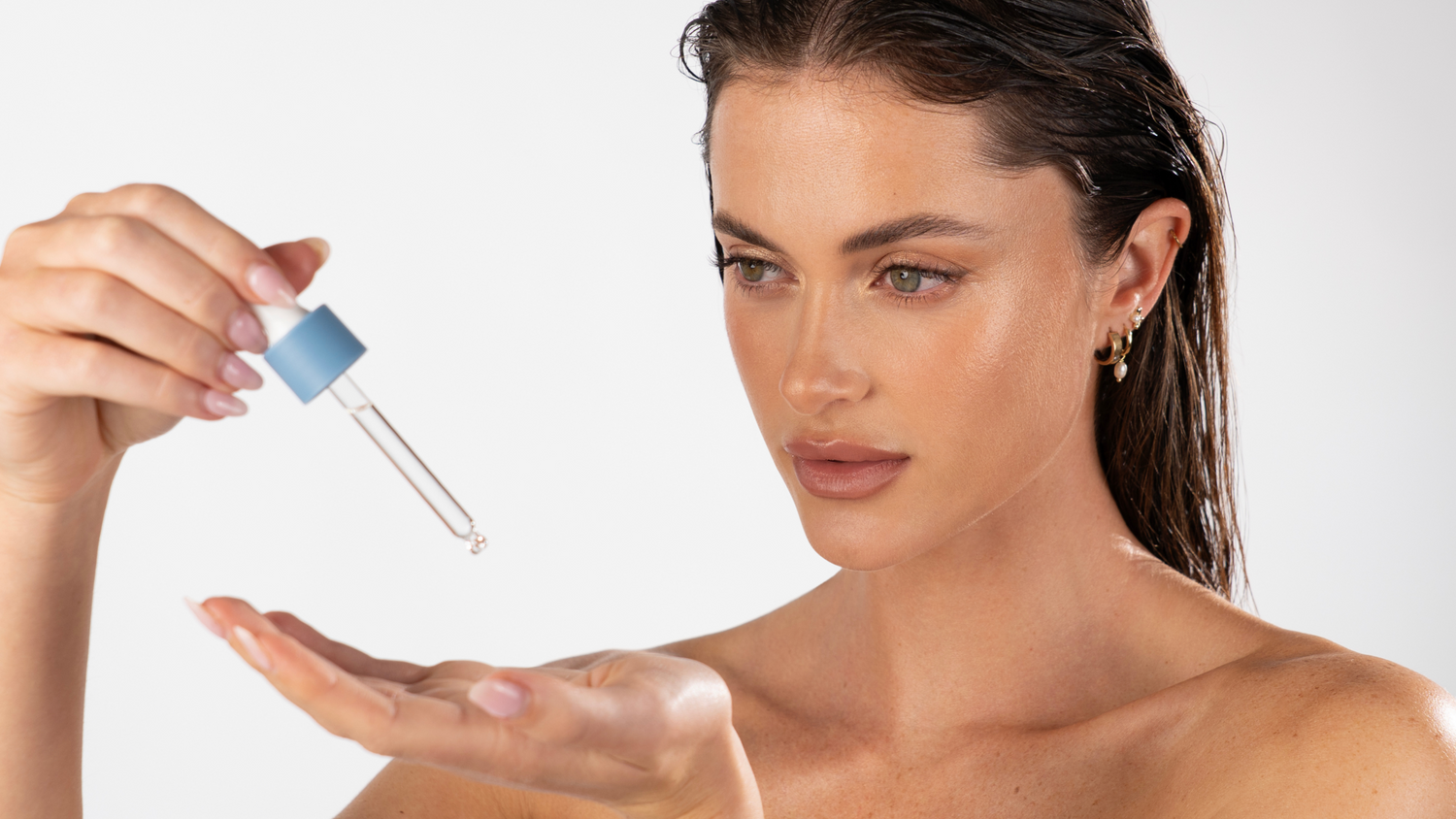
A leave-in scalp serum offers a dedicated step for the skin beneath your hair.
The Healer Serum combines hyaluronic acid and glycerin for hydration with Defenscalp™ for scalp comfort and excess oil. Defenscalp™ has a scalp microbiota-friendly profile, meaning the ingredient has been developed with consideration for the microorganisms naturally living on your scalp.
These scalp-care benefits are separate from treating the underlying cause of hair shedding.
Reduce heat and tension
Choose looser hairstyles and give tight ponytails, buns and extensions a break. Use lower heat settings when drying or styling, and gently pat or wrap your hair to absorb water rather than rubbing it with a towel.
Pay attention to scalp comfort
Persistent itching, redness, soreness or scaling should not be dismissed as part of shedding. Speak with your healthcare professional about these symptoms, particularly if they accompany changes in your hair.
Scalp-first care with skelp!
Designed with your scalp in mind, skelp! brings skincare ingredients into haircare, with dedicated formulas for the skin beneath your hair. Choose the steps that suit your scalp and strands, and keep your routine consistent.
What role does nutrition play?
Adequate protein and nutrition matter for normal hair growth. Eating less does not automatically mean you are deficient, but it can make nutritional needs harder to meet.
If your appetite has changed substantially, discuss it with your healthcare team. An accredited practicing dietitian can help you work through food choices and portions that suit your circumstances.
Resist the urge to start several hair supplements at once. Supplements are not a universal answer to shedding, and excessive amounts of some nutrients can contribute to hair loss. Your clinician can advise whether testing or supplementation is appropriate.
The goal is to understand your needs, rather than guess which nutrient might be missing.
When should you speak with a healthcare professional?
Speak with your prescribing doctor or a dermatologist about new, increased or persistent shedding. Seek assessment particularly if you notice distinct bald patches, scalp pain, redness or other symptoms.
It may help to prepare three things: a timeline of the change, a list of your medicines and supplements, and a description of what you have noticed. For example, is it more hair during washing, gradual thinning around a parting, or shorter broken strands?
Your clinician can assess the pattern and decide whether investigations are needed. Do not stop or change prescribed medicine without discussing it with your prescriber
While hair loss should be assessed by your doctor or dermatologist, everyday scalp and hair care still has a place. Look for dermatologically tested formulas, gentle cleansing and ingredients that help maintain scalp hydration and comfort. Keep your routine consistent and handle your hair gently to minimise unnecessary pulling and breakage.
*This article provides general information and does not replace individual medical advice. Speak with your healthcare professional about hair loss, increased shedding or changes to prescribed medicines.*